Why Moisturizer Matters
Moisturizers are essential in any skincare routine. They lock in hydration, support the skin barrier, and keep skin soft and radiant. Without moisturizer, moisture can quickly escape, leaving skin dry and easily irritated.
How to Choose the Right Moisturizer
Not all moisturizers work the same. The right one depends on your skin type.
• Dry skin: Rich creams with ceramides, shea butter, or squalane
• Oily skin: Lightweight, oil-free gels or water-based lotions
• Sensitive skin: Fragrance-free formulas with calming ingredients like oat extract
• Combination skin: Gel-creams that balance both dry and oily areas
💡 Tip: Ingredients like hyaluronic acid, glycerin, and peptides support hydration for all skin types.
How to Apply Moisturizer Effectively
Maximum hydration isn’t just about the product — it’s about how you apply it. Apply moisturizer to slightly damp skin, warm a small amount between your fingers, and gently smooth it from the center of your face outward. Don’t forget your neck.
💡 Tip: Apply moisturizer within 30 seconds after cleansing or serum to lock in hydration.
Used consistently as part of a balanced routine, moisturizer helps keep skin soft, plump, and glowing day and night.
Glow with Le’s Favorite Moisturizers
🧴 Dry Skin
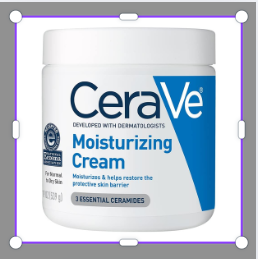
1. CeraVe Moisturizing Cream
A rich, non-irritating cream packed with ceramides and hyaluronic acid — perfect for dry, flaky skin that needs deep hydration.
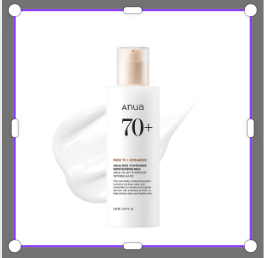
2. ANUA Rice 70 Intensive Moisturizing Milk
A rich moisturizer for deep hygration and nourishing, glowy glass skin, rice water, niacinamide, ceramides, lightweight, Korean Skincare.
—
💧 Oily Skin
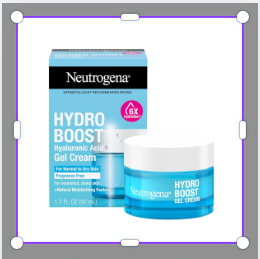
3. Neutrogena Hydro Boost Water Gel
Lightweight and oil-free, this gel moisturizer provides hydration without clogging pores — ideal for oily and acne-prone skin.
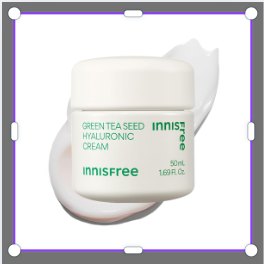
4. Innisfree Green Tea Seed Hyaluronic Cream
A lightweight cream formulated with green tea extract and hyaluronic acid that provides balanced hydration while controlling excess oil.
—
🌿 Sensitive Skin
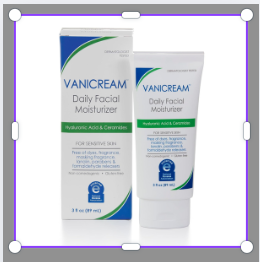
5. Vanicream Daily Facial Moisturizer
Gentle, fragrance-free formula made for sensitive or reactive skin. No alcohols, dyes, or parabens.
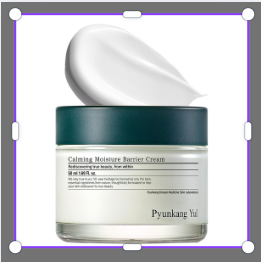
6. Pyunkang Yul Nutrition (or Calming Barrier) Cream (K‑Beauty – Sensitive/Barrier Repair)
Highly-rated ($10–$24 Amazon), fragrance‑free, cica + ceramides + multi‑HA for sensitive, eczema/acne‑prone skin
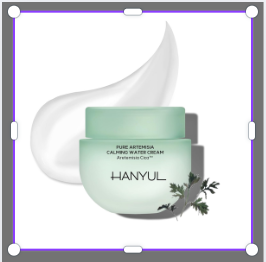
7. Hanyul Pure Artemisia Calming Fluid
A soothing fluid infused with artemisia and cica extracts that calms irritation and balances skin’s pH, ideal for sensitive skin.
—
✨ Combination Skin
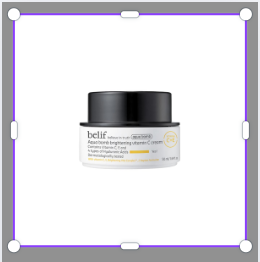
8. Belif The True Cream Aqua Bomb
A refreshing gel-cream that hydrates dry spots while keeping oily areas balanced — lightweight yet effective.
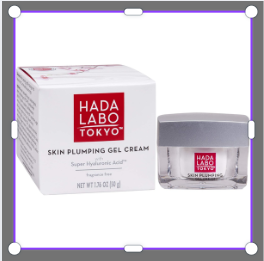
9. Hada Labo Gokujyun Plumping Gel Cream (Japan – All Skin Types, Anti‑Aging)
Super-hyaluronic acid, ceramides, collagen gel-cream praised as “holy grail” with nearly 5,000 5-star reviews—plumps & firms, good for aging or dehydrated skin.
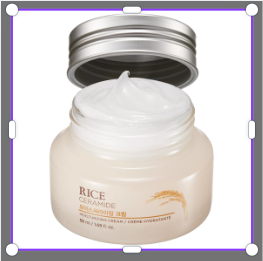
10. The Face Shop Rice Ceramide Moisturizing Emulsion
This lightweight rice-based emulsion blends rice extract, rice bran oil, and ceramides to hydrate, brighten, and strengthen the skin barrier. It absorbs quickly without stickiness, leaving skin soft, radiant, and comfortably nourished.
Gentle yet effective, it’s a great choice for dry or sensitive skin that wants lasting hydration with a natural glow
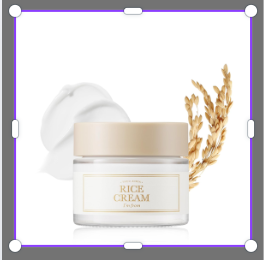
11. I’m From Rice Cream
I’m From Rice Cream is a nourishing, ceramide-rich moisturizer infused with fermented rice bran essence. It delivers deep hydration while strengthening your skin’s barrier, balances excess oil thanks to natural phytic acid, and leaves a soft glow without heaviness—perfect for daily use.
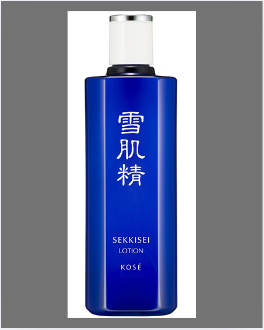
12. Sekkisei Moisturizer
This luxurious Japanese moisturizer is infused with traditional herbal extracts like coix seed and angelica to hydrate and brighten dull skin. Its lightweight texture absorbs quickly, leaving skin soft, plump, and radiant.
Gentle yet effective, it’s a beautiful choice for anyone seeking a natural, healthy glow.
Why I Love Rice Moisturizers
Rice extract is rich in vitamins, amino acids, and antioxidants that help brighten and smooth the skin naturally. Rice-based moisturizers feel lightweight yet deeply hydrating, leaving skin soft, plump, and radiant.
If you love a healthy, natural glow, rice moisturizers are definitely worth trying.
FAQ – Moisturizer Basics
1. Can I skip moisturizer if I have oily skin?
No. Even oily skin needs hydration. Use a lightweight, oil-free moisturizer to prevent your skin from overproducing sebum.
2. Should I apply moisturizer morning and night?
Yes. Use a lighter moisturizer in the morning (with SPF if possible) and a richer one at night to repair and nourish your skin.
3. How much moisturizer should I use?
A pea-sized amount is enough for your entire face. Too much product can clog pores or feel greasy.
4. Should I use moisturizer if I use serum?
Yes! Serums and moisturizers work together. Serums treat specific concerns, while moisturizers lock in hydration and create a protective barrier.
5. What’s the difference between day cream and night cream?
Day creams are lighter and often include SPF to protect against sun damage, while night creams are richer, focusing on repairing and nourishing your skin as you sleep.
“Hydrated skin is happy skin — treat it well, and it will glow for you.”
— Glow with Le
Next Step
Protect your glow with 5 Favorite Sunscreens – Affordable & Effective!
Or revisit Exfoliation – Remove Dead Skin, Reveal Your Glow.
“Want to see all my favorite moisturizers in one place? Check them out here!”